

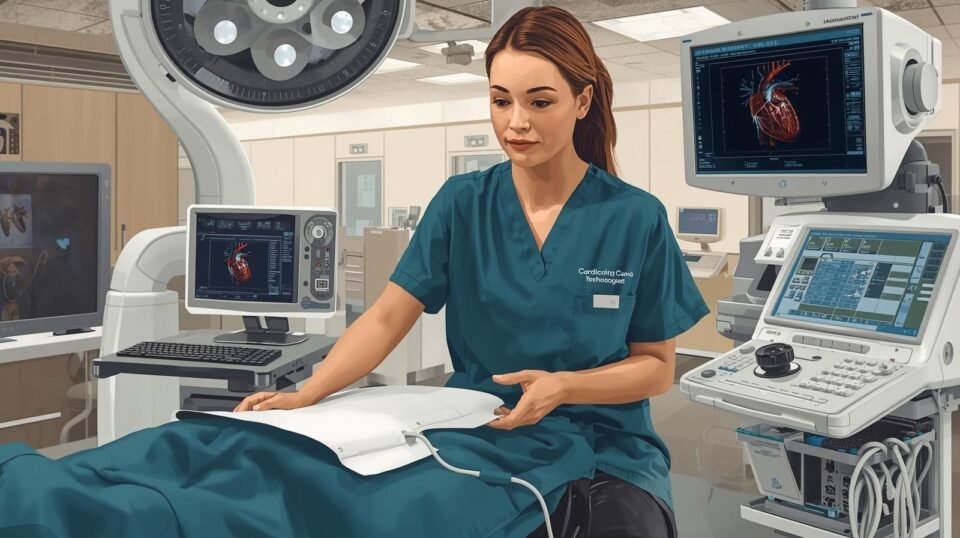
A Cath Lab Tech, also known as a Catheterization Laboratory Technologist or Cardiovascular Technologist, is one of the most important medical professionals working in heart care units. As cardiovascular diseases increase worldwide, the value of skilled Cath Lab Techs has grown rapidly. Hospitals now rely heavily on these experts to support cardiologists during critical heart procedures, diagnostics, and advanced imaging.
This profession requires knowledge, calmness under pressure, the ability to work with high-end medical equipment, and a deep understanding of the human heart. Because Cath Lab procedures are sensitive, even a small mistake can affect a patient’s life. That is why this role is respected, in-demand, and well-paid in many countries.
In this article, you will learn what a Cath Lab Tech does, daily responsibilities, required skills, qualifications, salary scope, and future opportunities. Whether you are planning to join this field or want detailed information, this complete guide will help you understand everything related to the profession.
What Is a Cath Lab Tech?
A Cath Lab Tech is a trained healthcare professional who assists cardiologists in diagnosing and treating heart conditions through catheter-based procedures. These procedures include angiography, angioplasty, pacemaker implantation, and other minimally invasive tests that help detect blockages or abnormalities in heart arteries.
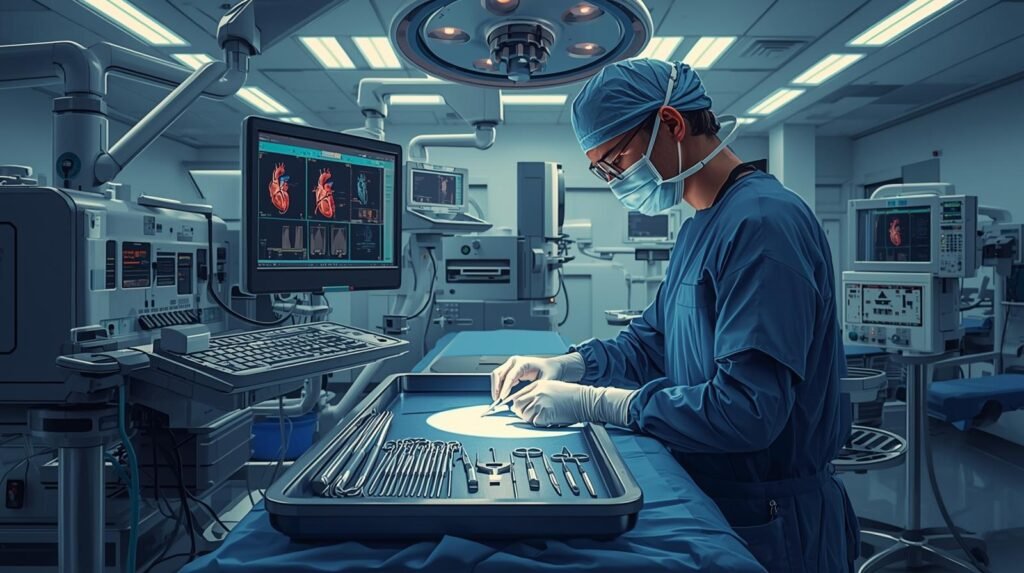
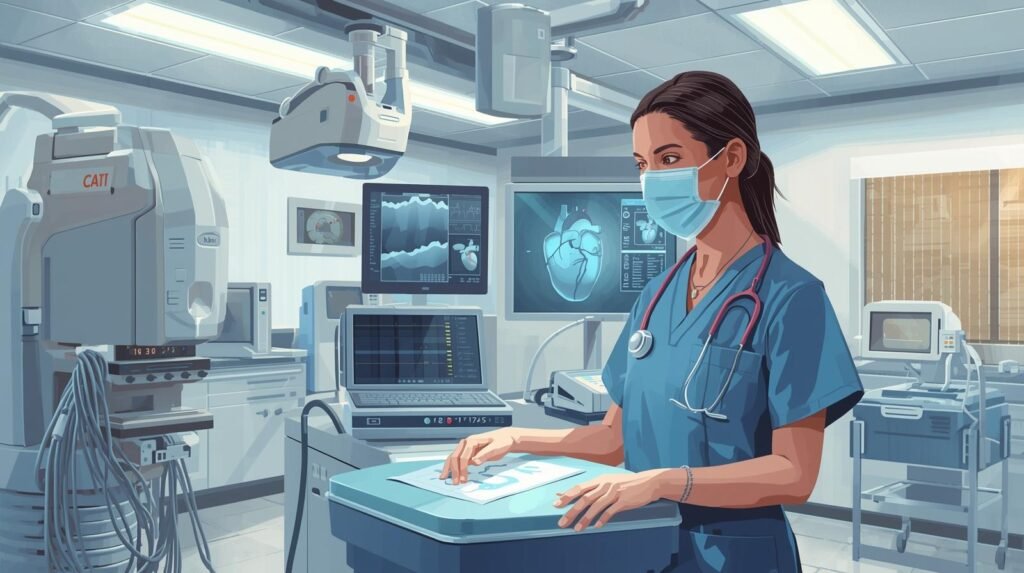
Cath Lab Techs work inside the catheterization laboratory, a specialized room equipped with imaging systems and machines that enable doctors to see inside blood vessels without performing open-heart surgery. Their role is to prepare patients, operate equipment, monitor vitals, and support doctors throughout the procedure.
Key Responsibilities of a Cath Lab Tech
The work of a Cath Lab Technologist covers multiple tasks before, during, and after the procedure. Their responsibilities include:
Preparing the patient for the procedure
Positioning and securing the patient
Explaining the procedure steps to reduce anxiety
Reviewing patient history and screening for allergies
Assisting the cardiologist
Handling catheters, wires, and sterile kits
Passing tools and managing the sterile field
Maintaining a clean and safe work environment
Operating imaging equipment
Managing fluoroscopy machines
Recording high-quality images
Adjusting settings to help doctors view clear vessel structures
Monitoring patient vitals
Tracking blood pressure, ECG, oxygen levels
Alerting the doctor if any sudden changes occur
Post-procedure care
Cleaning and maintaining equipment
Preparing reports and documentation
Helping move the patient to recovery
All of these tasks require a combination of technical skills, medical knowledge, and discipline.
Skills Needed to Become a Successful Cath Lab Tech
To perform effectively inside a high-pressure cardiology environment, a Cath Lab Tech must possess:
Strong anatomical and physiological knowledge
Understanding of cardiovascular structure and functions
Knowledge of medical terminology
Technical expertise
Familiarity with fluoroscopy and catheterization equipment
Ability to handle wires, catheters, and sterile instruments
Communication skills
Speaking clearly with doctors, nurses, and patients
Documenting cases accurately
Critical thinking
Responding quickly during emergencies
Making decisions under pressure
Teamwork
Working smoothly with cardiologists and nurses
Maintaining patient safety throughout the procedure
Physical stamina
Standing for long hours
Managing heavy equipment and lead aprons
These skills help a Cath Lab Tech maintain efficiency and accuracy inside the lab.
How to Become a Cath Lab Tech
Different countries have different educational requirements, but the general path includes:
Completing high school with science subjects
Pursuing a diploma or degree in cardiovascular technology
Joining internships or clinical training programs
Getting certifications (if available in your region)
Gaining hands-on experience in hospitals
Many institutions also offer specialized programs in Cath Lab Technology, which include training in imaging systems, catheter procedures, and emergency care.
Common Procedures Performed in the Cath Lab
Cath Lab Techs assist in several important cardiac procedures:
Coronary angiography
Used to locate blockages in heart arteries
Angioplasty
A procedure where a balloon is used to open blocked arteries
Stent placement
A small mesh tube placed to keep arteries open
Pacemaker implantation
Managing heart rhythm problems
Electrophysiology studies
Mapping electrical signals of the heart
Each procedure requires precision, coordination, and real-time imaging support, which is where Cath Lab Technologists play a major role.
Why Cath Lab Tech Is a Growing Career
The demand for Cath Lab Techs is increasing due to:
Higher rates of heart disease
More hospitals opening cath labs
Advancements in minimally invasive procedures
Increasing awareness of preventive heart care
Because surgeries are becoming less invasive, catheter-based treatments are preferred. This has significantly increased the need for skilled technologists who can support cardiologists inside the lab.
Salary and Career Growth
Salary varies based on experience, country, and hospital type. However, Cath Lab Techs generally receive competitive pay due to the high-level skills required.
Entry-level techs earn a moderate salary
Experienced techs earn significantly more
Supervisors and senior cardiovascular technologists earn top-level salaries
Some professionals later become:
Cath Lab Managers
Clinical Instructors
Application Specialists for medical companies
Sales representatives for cardiac devices
The career path is flexible and full of opportunities.
Work Environment of a Cath Lab Tech
To learn more about heart procedures, check out our Cardiology Equipment Guide
The work environment is fast-paced and technology-driven. Cath Lab Techs experience:
Emergency cases
Long procedures
High concentration tasks
Collaboration with cardiologists
Exposure to advanced medical equipment
Although the environment is challenging, many techs enjoy the thrill of saving lives and assisting in life-changing procedures.
Challenges Faced by Cath Lab Techs
While the job is rewarding, it also includes challenges such as:
Standing for long periods
Wearing heavy lead aprons
Managing high-stress emergency situations
Ensuring complete sterility
Dealing with critically ill patients
These challenges require mental and physical strength.
Future Scope of Cath Lab Technology
The future of this field is bright because hospitals are investing in:
Hybrid operating rooms
Advanced imaging systems
New catheter-based treatments
Artificial intelligence and digital monitoring
With more people choosing minimally invasive treatments, Cath Lab Techs will continue to be in demand worldwide.
Frequently Asked Questions (FAQs)
What does a Cath Lab Tech do?
A Cath Lab Tech assists cardiologists during heart procedures, operates imaging systems, and monitors patient vitals.
Is Cath Lab Tech a good career?
Yes. It is a growing, respected, and well-paid medical career with strong global demand.
Do Cath Lab Techs work long hours?
Some shifts are long, especially during emergencies, but this varies by hospital.
What skills are required for a Cath Lab Tech?
Good medical knowledge, technical skills, communication, teamwork, and attention to detail.
Can females work as Cath Lab Techs?
Absolutely. Many women successfully work in cath labs and lead departments.
Is this job stressful?
It can be stressful due to the nature of heart procedures, but proper training helps manage it easily.
How long does it take to become a Cath Lab Tech?
Typically 2–4 years depending on the training program and certifications.
